



Custom software · 10 min read ·
Software development companies near me — hiring in San Diego
If you are searching "software development company near me" from San Diego, you are trying to find someone accountable who understands your market. San Diego County is shaped by a large biotech corridor, naval and defense presence, and a year-round tourism economy. This guide covers what software development companies in the San Diego County are usually hired to build, what it costs, how long it takes, and how to compare a local studio against a national partner or an offshore team without getting talked into the wrong one.
What San Diego companies hire software development companies for
San Diego buyers typically need connected medical device apps, Bluetooth and sensor integrations, and visitor and attraction experiences.
Because of that mix, briefs from San Diego rarely arrive as a blank sheet. They come with an existing system to integrate with, a regulator or a procurement process in the background, and a team who already knows exactly where the current process hurts. The firms that do well here are the ones that ask about those constraints on the first call rather than the fourth.
The "near me" instinct is sound, but be clear about what you actually need from it: overlapping hours, a named team, and someone who will be in the room — in person or on video — when a decision costs money. Those are contract terms, not map pins.
- Biotech & medtech — a core buyer segment in San Diego
- Defense — a core buyer segment in San Diego
- Tourism — a core buyer segment in San Diego
- Wireless — a core buyer segment in San Diego
What good software development companies actually do
Strip away the vocabulary and the job is the same everywhere: understand the business problem, choose the smallest thing that solves it, build it well enough to survive contact with real users, then measure and iterate. Everything below is downstream of that.
The visible signals of a team that works this way are consistent, and you can check most of them in an hour before you ever take a call.
- Experience integrating with the systems you already run
- A migration plan for your existing data, written before the build starts
- Role-based access, audit trails and export designed in from the start
- A rollout plan that assumes people will resist the change
- Documentation and handover written for your future internal team
The ten-minute check before you call anyone
Shortlists built from search results and directories are noisy. Before you spend an hour on a call, spend ten minutes on this: open the firm's portfolio, install one shipped product, and use it for five minutes on your own phone. Then read the one- and two-star reviews and see whether the developer replies to them.
Next, check whether the case studies name a result or only a deliverable. "We built an app" is a deliverable. "Onboarding completion went from 41% to 68%, which is worth X to the client" is a result. Firms that cannot describe outcomes usually were not close enough to the business to produce them.
Finally, look at who is visible. A studio that names its engineers, publishes technical writing and lets senior people speak in public is a studio where senior people exist. One that shows only stock photography and a sales team is usually a reseller.
- Install a shipped product and use it for five minutes
- Read the worst reviews, and check whether anyone answered them
- Look for outcomes in case studies, not deliverables
- Find the names of actual engineers, not just account managers
- Check whether the firm has ever written about how it works
The hard parts of custom software platform work
Anyone can build the happy path. What separates teams is how they handle the parts of the work that only show up in production, under load, on bad hardware, with real data. Ask about each of these specifically — a team that has been through them answers in seconds and in detail.
The workflow is the specification
The real process is never the documented one. Sitting with the people doing the job for two days changes the scope more than any workshop, and it is the cheapest week of the project.
Data migration is a project inside the project
Years of inconsistent records, duplicates and free-text fields. Plan for cleansing, dry runs and a reconciliation report — not a single import script the weekend before go-live.
Integrations you do not control
ERPs, EHRs, payment processors and legacy endpoints fail in ways their documentation does not describe. Build retries, idempotency and visible error states, and instrument every call.
Adoption
Software people refuse to use is a total loss regardless of quality. Ship to one team first, watch them use it, and fix what slows them down before rolling out further.
What it costs in San Diego
Ranges are wide because scope is wide, and any firm giving you a number before understanding your integrations, compliance load and existing systems is guessing. That said, buyers deserve honest bands rather than "it depends", so here are the ones we see in this market.
San Diego rates track the national picture with local pressure on senior design and engineering talent. The important comparison is not hourly rate but total cost to a working, maintainable product — rework and management overhead are where cheap engagements become expensive ones.
- Internal tool — $25,000 – $75,000: One workflow, one team, a few integrations. Replaces a spreadsheet and a lot of email.
- Operational platform — $80,000 – $300,000: Multiple roles, real integrations, reporting, permissions and audit trails.
- Enterprise system — $300,000+: SSO, formal security review, high availability, migration from an incumbent system and a multi-year roadmap.
How long it takes
Three to six months for an operational platform, with the first usable slice in front of real users inside eight weeks. Anything that keeps users away from the software for six months will be wrong when it arrives.
Ask for the schedule in terms of demos rather than phases. "Design complete in week six" tells you nothing you can verify. "A running build in your hands in week three, and every Friday after that" is a promise you can check the moment it slips.
Questions to ask on the first call
These are the questions that separate a partner from a vendor. Someone who was actually in the trenches answers immediately and specifically. Someone who was not repeats the case study in different words.
- How do you handle migration of our existing data?
- Which of our systems have you integrated with before?
- What does the rollout plan look like for the team who will use it?
- How is access controlled and audited?
- What does it take for our own developers to maintain this in two years?
Ownership, exit and the things that bite later
Regardless of who you hire: your organisation should own the repository from the first commit, hold its own Apple, Google and cloud accounts, receive design source files rather than screenshots, and have handover terms written into the master agreement. If a firm resists any of those, the technology conversation is irrelevant.
Agree the support model at contract stage too. Who fixes a production crash in month four, within what response window, and at what cost? Launch day is not the end of the project — it is the point at which the product starts being used, which is when the interesting problems begin.
- Repository owned by your organisation from commit one
- Store and cloud accounts in your company's name
- Design source files delivered, not screenshots
- Written exit, handover and documentation terms
- A named support window with a response time
- A mutual NDA before detailed discussion
Local San Diego studio, national partner or offshore team
A local team gives you presence, shared context and easy in-person workshops. A national studio gives you deeper specialisation and usually better senior coverage for the same money. An offshore team gives you the lowest rate and the highest management burden — it can work extremely well, but only when you have a strong internal product owner and a scope that will not move.
In practice most San Diego organisations end up with a hybrid: an internal product owner who holds the business context, and an outside product partner carrying strategy, design and engineering. That structure fails in exactly one way — when the outside partner is treated as a supplier taking tickets rather than a team accountable for outcomes.
- Local — presence, shared context, easy workshops, smaller talent pool
- National — deeper specialisation, senior coverage, remote-first discipline
- Offshore — lowest rate, highest coordination cost, needs a strong owner
- Hybrid — internal product owner plus an outside product team, the common winner
Red flags
None of these are automatically disqualifying on their own. Two or more together usually are.
- A fixed quote given before anyone asked about your integrations
- The senior people in the pitch are not named in the statement of work
- No live product you can install in a comparable category
- Resistance to you owning the repository or the store accounts
- "We do everything" — mobile, web, ads, SEO, video, branding, at every budget
- No answer to what happens after launch
- A timeline that assumes nothing will be learned during the build
Working with WVE Labs from San Diego
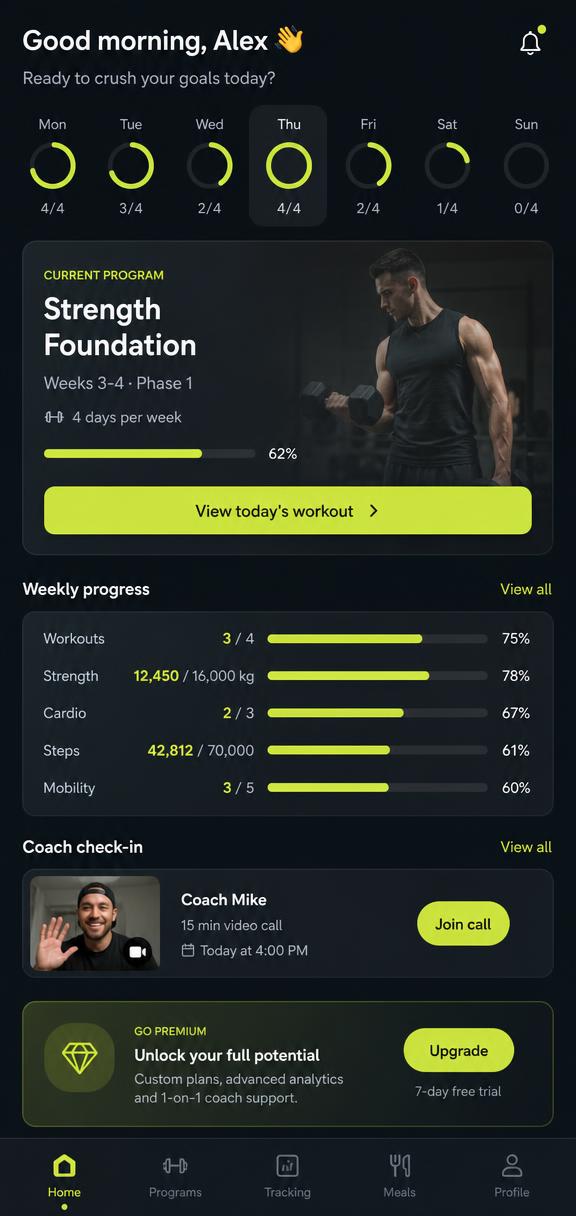
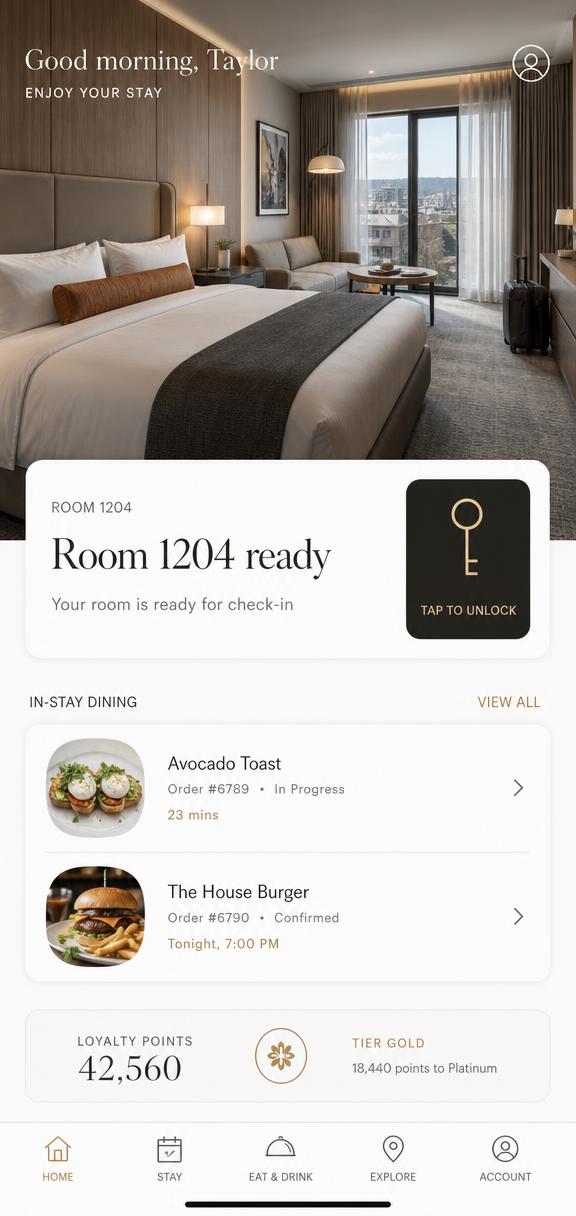
WVE Labs is a digital product company founded in 2015. Product strategy, design and engineering sit under one roof, mobile has been at the heart of the studio for more than a decade, and we have delivered for startups, growth companies and established organisations including Sony, Honda, Guardian, Marriott, USC, Maui Jim and California State University.
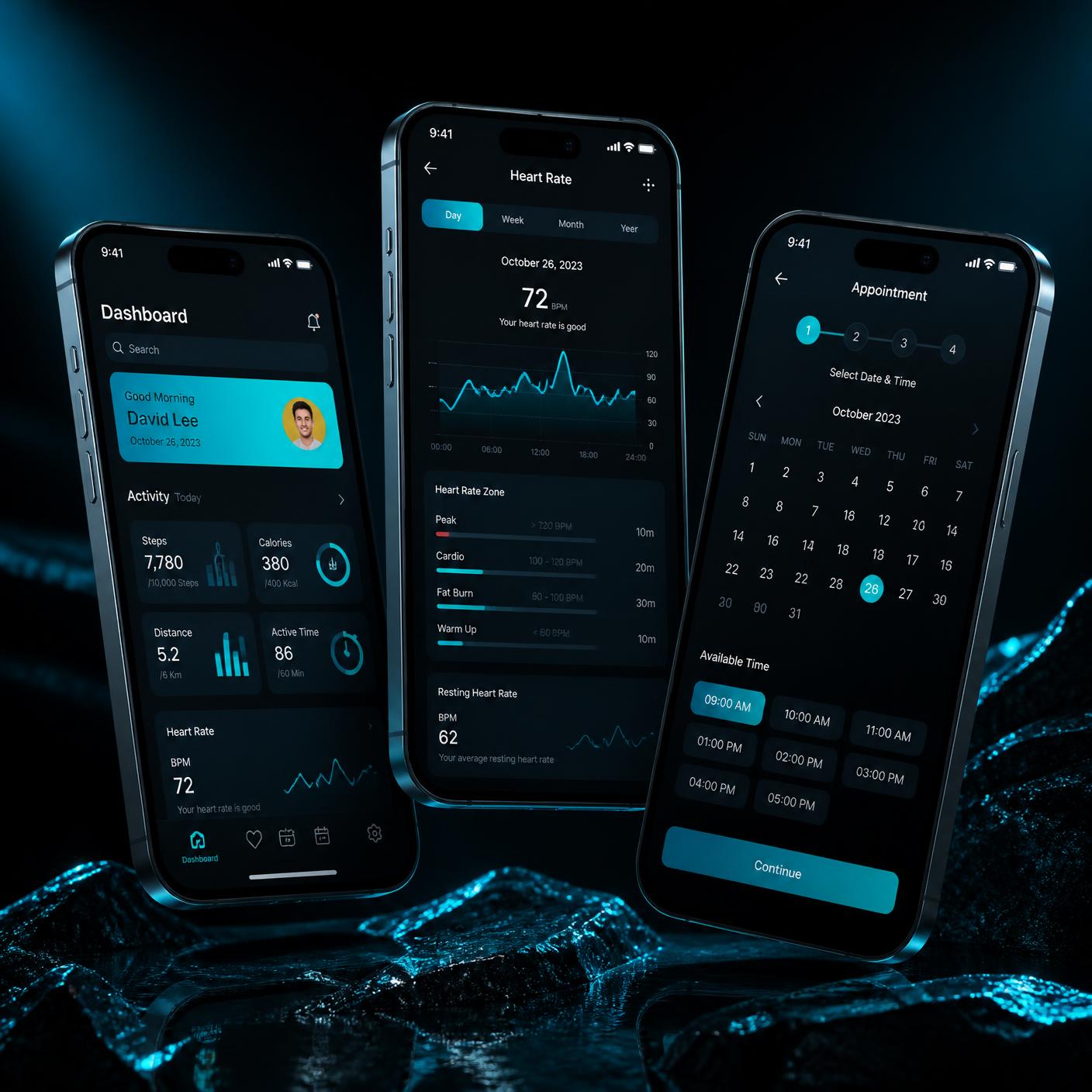
We work with San Diego County clients the same way we work everywhere: a small senior team, weekly demos on a live build, named engineers in your repository from sprint one, and a clear line from each release back to the number you are trying to move. device pairing, firmware handoffs and regulatory documentation dominate timelines on medtech work
If you want to talk it through — including whether you need us at all — call (833) 673-0777 or email business@wvelabs.com. A twenty-minute scoping conversation usually saves a month of shortlisting.
Inside the work

Related pages
The takeaway
Hiring software development companies in San Diego comes down to the same four things everywhere: live products in your context, named engineers you can meet, a working build within weeks, and full ownership of your code and accounts — not the office address.